








Rainy weather can be a real hassle for pool owners, but it doesn’t have to mean a lot of extra work. If you have a fiberglass pool, you’re in luck because they’re easy to maintain. That said, wet weather does bring a few challenges—like extra debris and changes to the water chemistry. Let’s go through a few simple steps you can take to keep your pool in great shape, rain or shine.
1. Why Rain Can Affect Your Pool
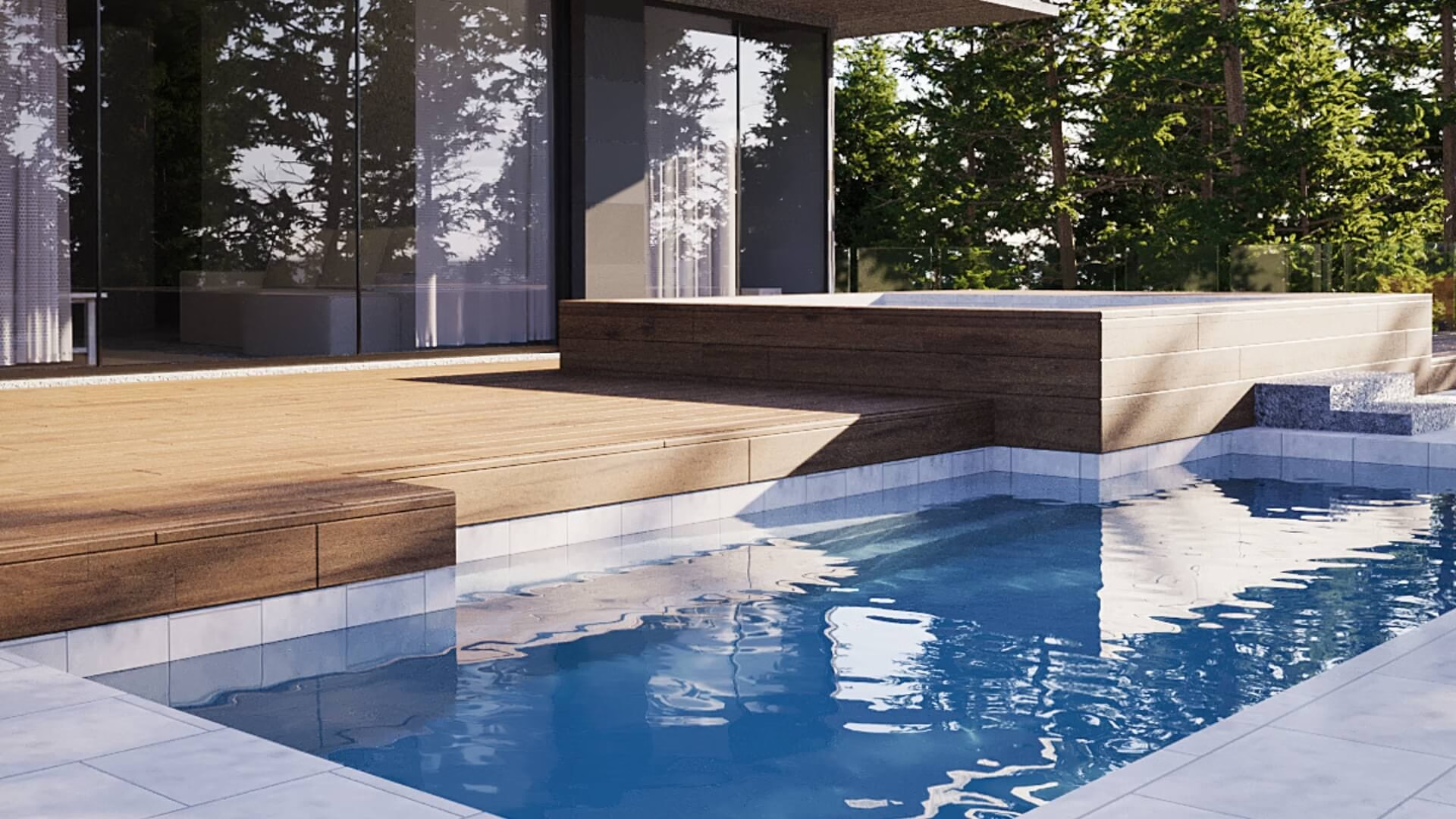
Fiberglass pools are tough and designed to last, but the rain can still create a few problems. Rainwater is often more acidic, which can mess with your pool’s pH balance. This means you might need to check the water chemistry a bit more often. Additionally, the rain often brings more debris—leaves, dirt, and even insects—which can make your pool look less than inviting. Staying on top of maintenance will save you a lot of hassle.
2. Protect Your Pool with a Cover
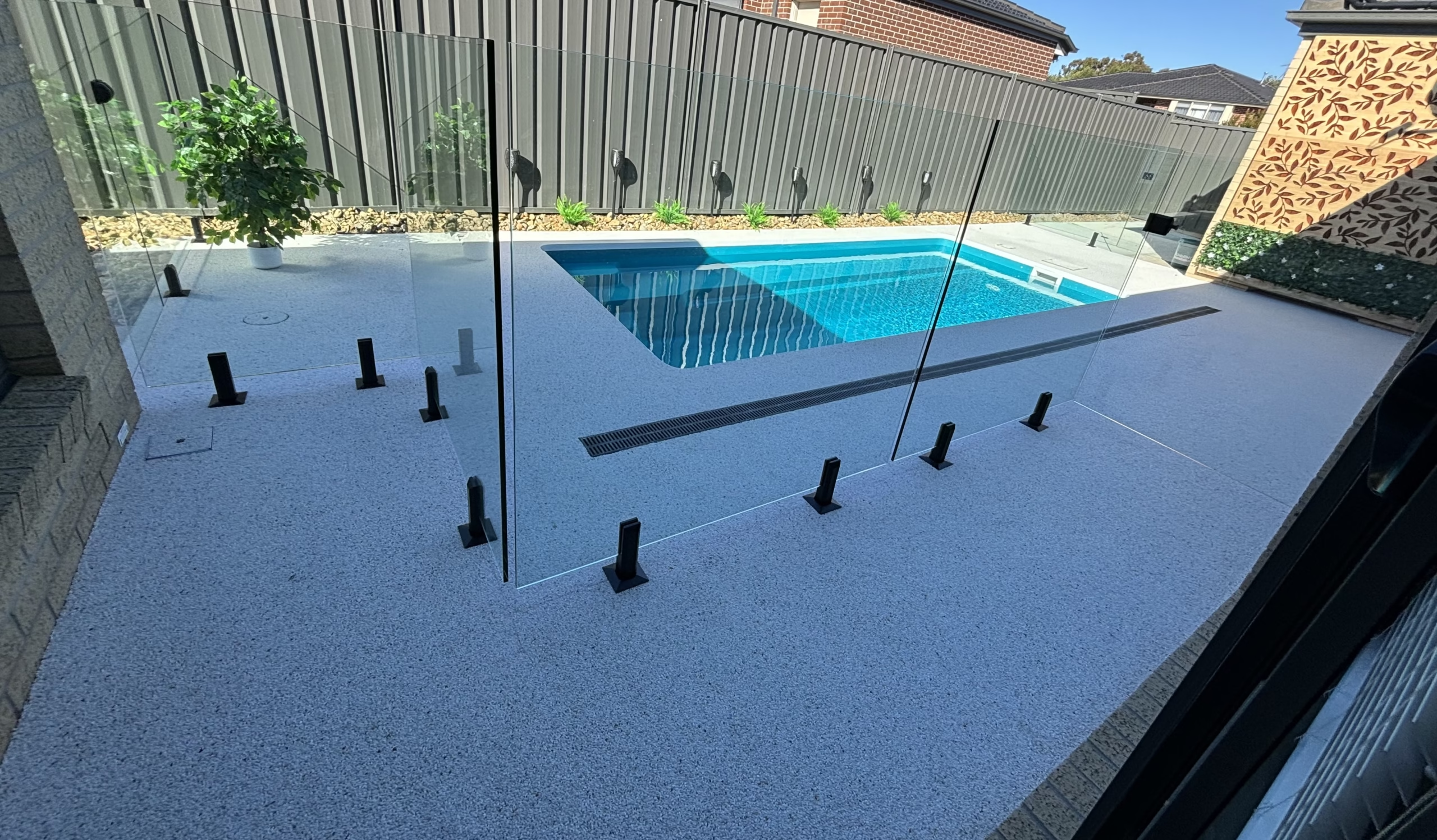
The best thing you can do to protect your pool from the rain is to use a cover. A well-fitting pool cover keeps out debris and helps to keep the pool warmer. When the rain’s over, just clear any water that’s collected on top of the cover. Letting it sit can cause mildew to form, so be sure to keep it clean.
3. Trim Back Trees and Shrubs
If you have trees or shrubs around your pool, now’s a good time to trim them back. During a storm, branches can shed leaves and twigs, which inevitably end up in your pool. By cutting back overhanging branches, you’ll reduce the mess and keep your pool cleaner. It also helps with general maintenance around your pool area.
4. Check Your Pool’s Chemical Balance After the Rain
After heavy rain, your pool’s chemical balance will likely need adjusting. Here’s what you should check:
- pH Levels: Rainwater is slightly acidic, so it can lower your pool’s pH. When the pH gets too low, it can irritate your skin and eyes and even damage the fiberglass surface. To keep things balanced, aim for a pH of 7.4 to 7.6. If it’s too low, you can add a pH increaser.
- Chlorine: Rainwater dilutes the chlorine in your pool, meaning it’s less effective at sanitising the water. After the rain, check the chlorine level and top it up if needed. The ideal range is between 1.0 and 3.0 ppm.
- Alkalinity: Alkalinity helps to buffer the pH level and prevent large swings. If the rain was heavy, it’s a good idea to check your pool’s alkalinity and adjust it as needed.

5. Skim the Surface to Remove Debris
Once the rain stops, grab your skimmer and start clearing the surface of your pool. Rain often brings leaves and other debris, which can float on top. Skimming regularly will prevent the debris from sinking and make it much easier to clean. It’s a quick job, but it makes a big difference.
6. Vacuum the Pool Floor
Even after you’ve skimmed the surface, dirt and debris often settle at the bottom. You’ll want to vacuum the floor of your pool to get it looking spotless. Fiberglass pools are smooth, so it’s fairly easy to vacuum them clean. Whether you use an automatic pool cleaner or a manual vacuum, this step helps remove anything that might’ve sunk to the bottom during the rain.

7. Run Your Pool Filter for Longer
Your pool’s filtration system is your best friend when it comes to keeping the water clean. After a storm, you might need to run your filter for a bit longer than usual to make sure it clears any debris and keeps the water circulating. Be sure to clean the filter regularly to keep it running smoothly. A clogged filter won’t do its job properly, and your pool will suffer for it.
8. Watch Out for Overflow
Heavy rain can sometimes cause your pool to overflow. If your pool does overflow, it can carry dirt and debris into the surrounding area, which means more cleaning for you. To prevent this, make sure your pool area has proper drainage to direct excess water away. Overflow can also lead to issues with water quality, so it’s a good idea to check for any signs of flooding around the pool.
9. Keep the Drains Clear
Your pool’s drains play a crucial role in keeping the water clean. Debris can block the drains, which causes water circulation problems and can affect the filtration system. After it rains, check the drains to ensure they’re clear. This will help keep your pool’s water clean and ensure the filtration system works properly.
10. Regular Chemical Testing Is Key
After rain, be sure to test your pool’s chemicals to make sure everything is in balance. Regular testing is key to maintaining good water quality. If the rain has diluted your chemicals, it’s better to top them up quickly to avoid issues like cloudy water or algae growth. Testing your pool’s water every few days is a great habit to get into, especially after a storm.
11. When to Call a Professional
Sometimes, despite your best efforts, your pool might need a little extra help. If you’re noticing cloudy water, strange chemical readings, or problems with your filtration system, it might be time to call in a professional. They can perform a more thorough check-up and ensure that everything’s running smoothly.
Final Thoughts
Rainy weather doesn’t have to be a nightmare for fiberglass pool owners. By staying on top of a few simple maintenance tasks—like using a pool cover, trimming nearby trees, checking your chemicals, and skimming and vacuuming regularly—you can keep your pool in tip-top shape all year round. With just a little effort, you’ll have a clean, sparkling pool no matter what the weather brings.