





When investing in a swimming pool, longevity and durability are key considerations. Among the different pool types available, fiberglass pools stand out as a superior choice due to their scientific design, structural integrity, and low maintenance requirements. But what exactly makes fiberglass pools so resilient? Let’s delve into the science behind them and explore why they are built to last.
What is Fiberglass?
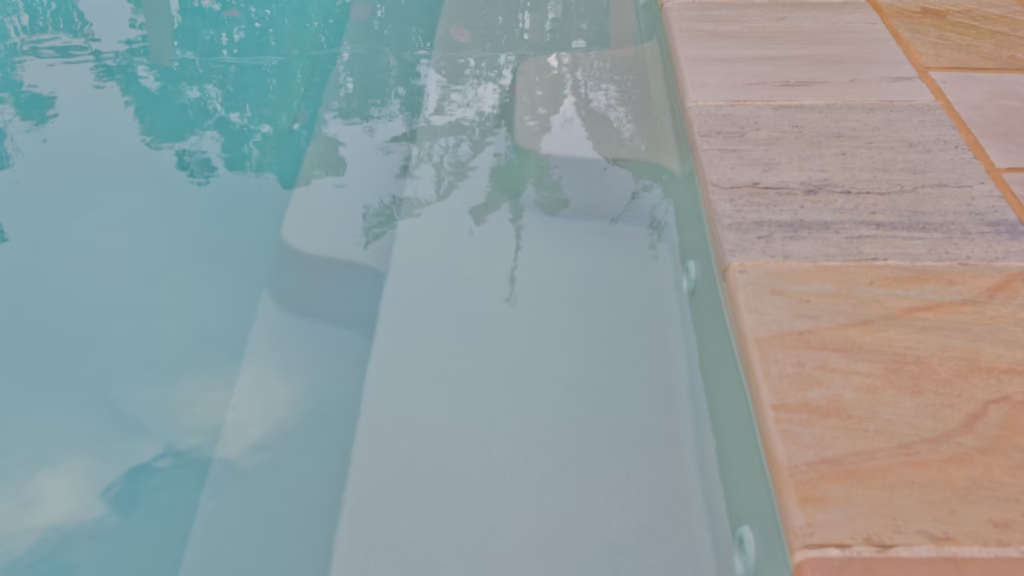
Fiberglass is a composite material made from fine glass fibers woven together and reinforced with resin. This combination creates a lightweight yet exceptionally strong material that is widely used in various industries, from aviation to marine applications. Its durability and resistance to corrosion make it an ideal material for swimming pools.
Unlike traditional concrete pools, which can crack over time, or vinyl pools, which require liner replacements, fiberglass pools are known for their longevity and structural stability. Their seamless construction reduces the risk of leaks, ensuring a pool that remains intact for decades.
How Fiberglass Pools Are Made
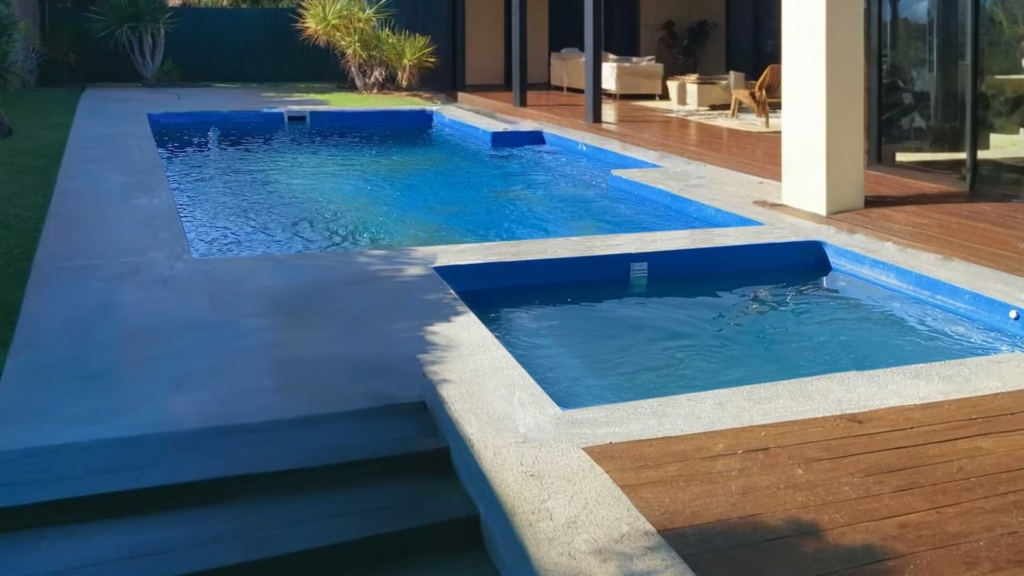
The manufacturing process of a fiberglass pool plays a crucial role in its strength and durability. These pools are built in controlled factory environments using multiple layers of fiberglass, resin, and a protective gel coat. Here’s a breakdown of the key steps:
- Moulding Process – The pool shape is created using a precise mould to ensure uniformity.
- Gel Coat Application – A smooth, non-porous gel coat is applied to provide a protective and aesthetically pleasing surface.
- Fiberglass Reinforcement – Layers of fiberglass and resin are strategically applied to enhance strength.
- Curing and Quality Checks – The pool is cured to harden the materials and undergoes rigorous quality control tests.
- Transportation and Installation – Once completed, the pool is transported and installed in one piece, reducing on-site construction time.
This process ensures consistency, reducing the likelihood of structural defects and enhancing the longevity of the pool.
Strength and Durability of Fiberglass
Fiberglass is known for its impressive strength-to-weight ratio. Despite being lighter than concrete, it is incredibly resilient and capable of withstanding external pressures without compromising its structure. This strength allows fiberglass pools to maintain their integrity even in challenging conditions such as shifting soil or ground movement.
Unlike concrete pools, which can develop cracks due to ground expansion and contraction, fiberglass pools possess a slight flexibility that enables them to absorb minor shifts without damage. This makes them an excellent choice for areas with unstable or reactive soil.
Resistance to Cracking and Damage
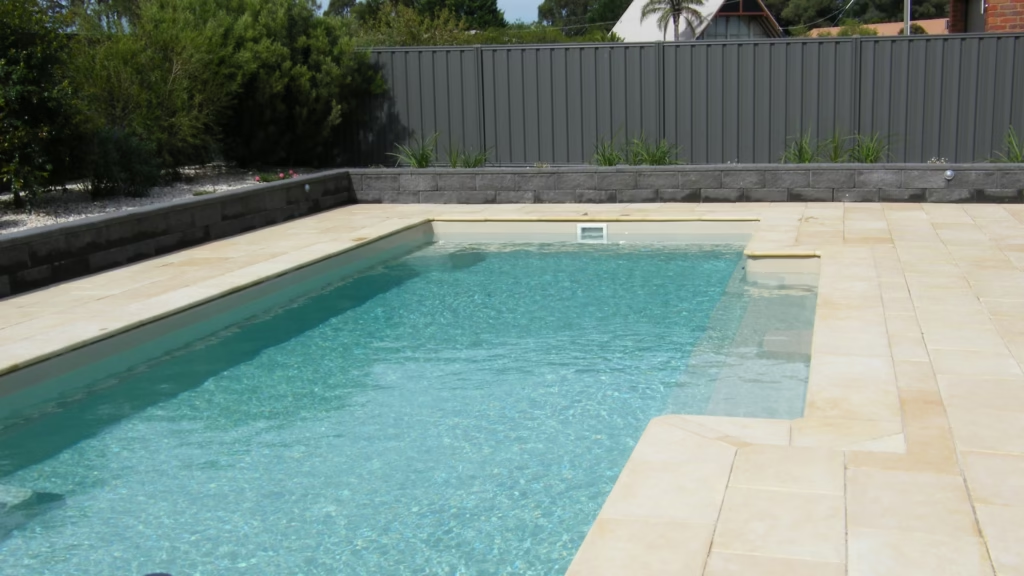
One of the biggest concerns for pool owners is structural damage over time. Fiberglass pools have a distinct advantage in this regard due to their non-porous nature and flexible properties. Unlike concrete, which is prone to cracking as it ages, fiberglass pools are designed to resist fractures and surface degradation.
Additionally, the protective gel coat acts as a barrier against water absorption, preventing issues such as osmosis or blistering, which can occur in lower-quality pool surfaces. This means that fiberglass pools maintain their smooth finish and structural integrity for many years.
Flexibility vs. Rigidity: The Perfect Balance
The structural composition of fiberglass pools allows them to achieve a perfect balance between flexibility and rigidity. While the material is strong enough to withstand external forces, it also has enough give to prevent breakage under pressure.
This flexibility makes fiberglass pools highly adaptable to different environmental conditions. Whether installed in regions prone to ground movement or areas with fluctuating temperatures, fiberglass pools can endure these challenges far better than their concrete or vinyl counterparts.
Low Maintenance Benefits
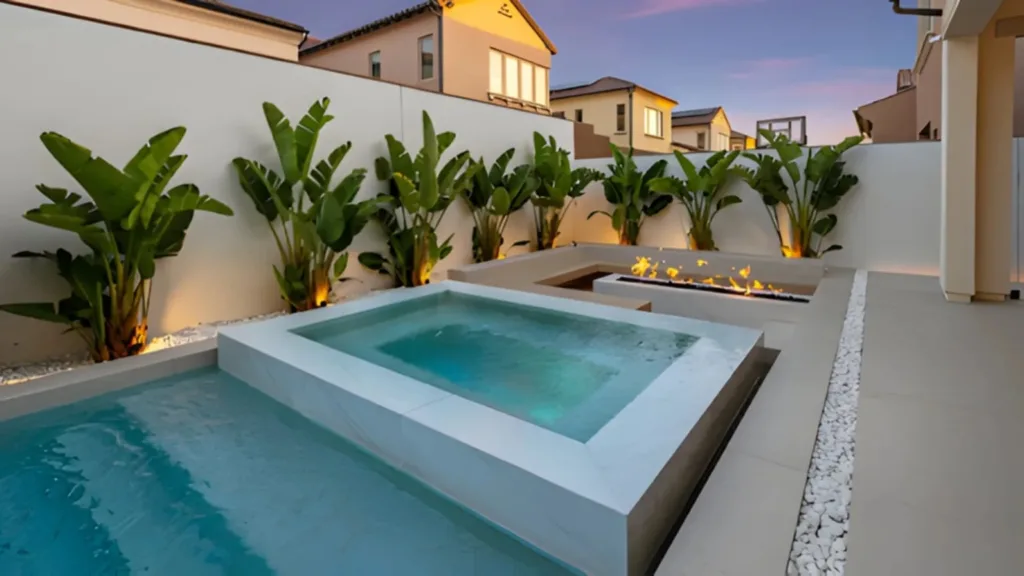
One of the main advantages of fiberglass pools is their low maintenance requirements. The non-porous gel coat surface prevents algae and bacteria from embedding into the material, reducing the need for frequent scrubbing and harsh chemicals.
In contrast, concrete pools have a rough surface that can harbour algae growth, requiring more intensive cleaning and chemical treatments. Vinyl pools, on the other hand, can suffer from liner tears and discolouration, leading to costly replacements. With fiberglass, maintenance is significantly minimised, saving both time and money for pool owners.
Chemical and UV Resistance
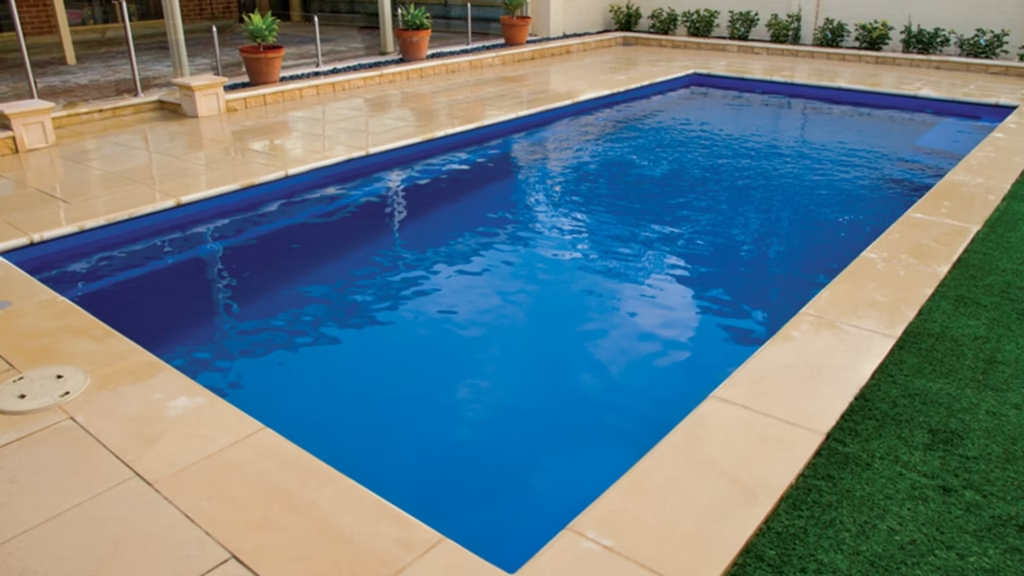
Fiberglass pools are highly resistant to chemicals and UV exposure, contributing to their longevity. The protective gel coat not only enhances the pool’s visual appeal but also provides a durable shield against harsh chemicals and sun exposure.
Over time, prolonged UV exposure can cause pool materials to degrade, leading to fading, cracking, or structural weakness. However, fiberglass pools are designed to resist these effects, ensuring that they retain their colour and durability even after years of use.
Comparing Fiberglass to Concrete and Vinyl Pools
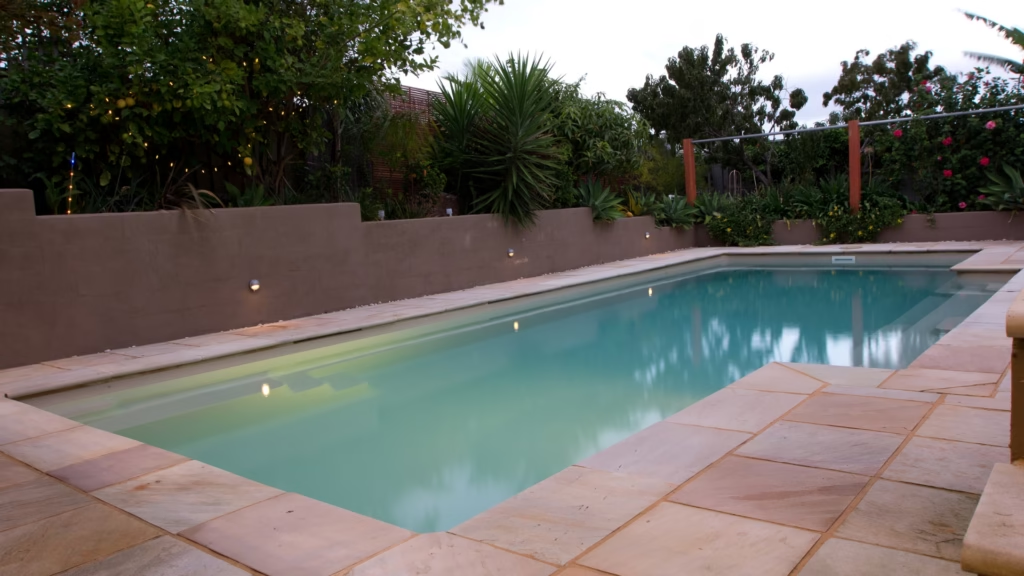
When choosing a pool type, it’s essential to consider how fiberglass compares to other materials in terms of durability and maintenance:
- Concrete Pools – While strong, concrete pools are prone to cracking, require resurfacing every 10–15 years, and need regular chemical treatments.
- Vinyl Pools – More affordable upfront, but the liners typically need replacing every 5–10 years, adding to long-term costs.
- Fiberglass Pools – Offer a perfect balance of strength, flexibility, and low maintenance, making them a cost-effective and long-lasting option.
Thermal Properties: Better Heat Retention
Fiberglass pools also have excellent thermal properties, allowing them to retain heat more effectively than concrete pools. This means that pool water stays warmer for longer, reducing the need for excessive heating and lowering energy costs.
In comparison, concrete pools tend to absorb heat from the water, making them colder and requiring more energy to maintain a comfortable temperature. Fiberglass’s insulating properties make it an eco-friendly choice for those looking to reduce energy consumption.
Eco-Friendly and Cost-Effective
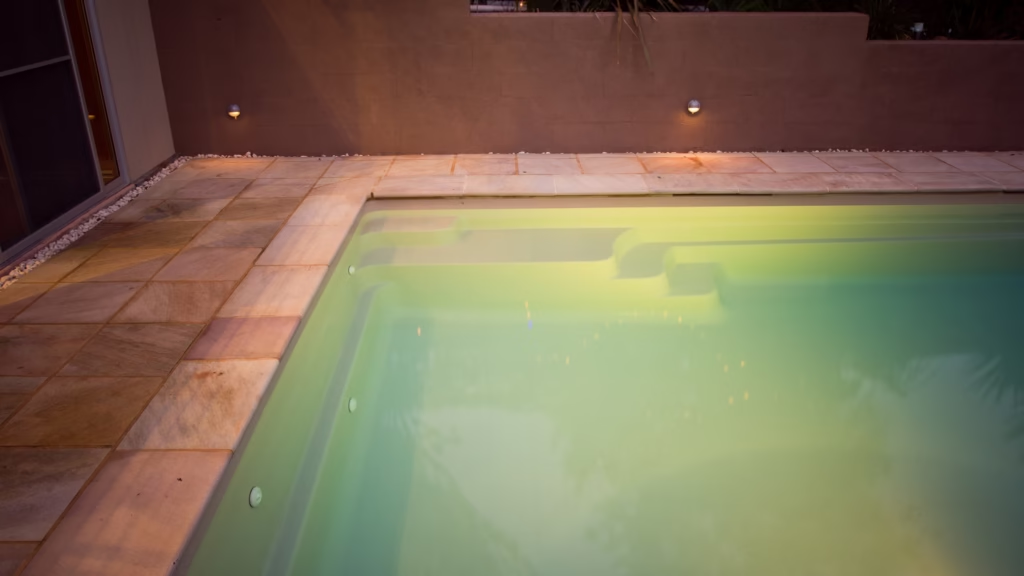
Choosing a fiberglass pool is not only beneficial for longevity but also for sustainability. The reduced need for chemicals, minimal maintenance, and energy-efficient thermal properties contribute to a lower environmental impact.
Additionally, the long lifespan of fiberglass pools means fewer replacements and renovations, reducing material waste over time. While the initial investment may be higher than a vinyl pool, the long-term savings on maintenance and repairs make fiberglass a cost-effective option.
Conclusion
The science behind fiberglass pools proves why they are built to last. With their strong yet flexible structure, resistance to cracking and damage, low maintenance needs, and excellent thermal properties, they stand as one of the most durable and efficient pool options available.
For homeowners seeking a long-lasting, low-maintenance pool solution, fiberglass offers an investment that not only enhances outdoor spaces but also provides years of enjoyment with minimal upkeep. If you’re considering a new pool, the science makes it clear—fiberglass is the smart choice.